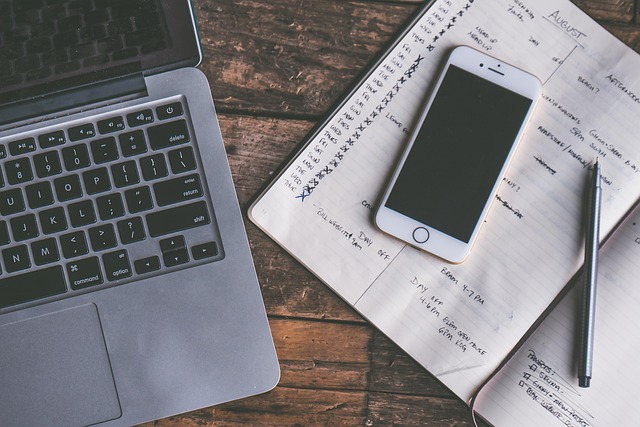
Track small daily habits
A short record for each day reveals where small amounts add up and where adjustments are practical.
Overview
Daily budgeting focuses on intentional, repeatable actions that reduce uncertainty and help households stay within monthly plans. The approach encourages a brief morning review of planned expenses and an evening quick log of actual spending. This page offers an ordered routine: identify fixed daily costs, assign flexible spending envelopes, and record incidental purchases under clear categories. For residents in Mexican cities such as Querétaro, CDMX, and Puebla, daily budgets reflect common local expenses like transport, groceries, and school supplies. The goal is not optimization for investment returns but steady habit formation that makes larger monthly planning simpler. Practical tables translate daily habits into weekly and monthly summaries so users can see the cumulative impact of small choices. Materials are based on real household examples, annotated calculations, and templates that are easy to adapt.
Step-by-step daily routine
Begin with a five-minute morning checklist: note expected cash needs for transport, food, and any planned errands. Keep a simple pocket notebook or a one-line spreadsheet to record each transaction as it occurs. At midday, review unplanned items and decide which can wait for the next day or be absorbed within the weekly buffer. At the end of the day, consolidate entries into three categories: essential, discretionary, and irregular. Weekly, total the daily logs and compare them with the monthly budget to spot trends. Over a month, review categories where small daily expenditures repeatedly exceed planned amounts and adjust daily limits or reassign budget lines. This incremental monitoring reduces surprises and makes monthly reconciliation faster. The method is intentionally lightweight so it can be sustained and adapted for families with varied schedules and income patterns in Mexico.
Tools and templates
Sereno provides minimal templates that convert daily entries into weekly summaries and a six-month projection. Templates include labeled rows for transport, groceries, household services, savings contribution, and irregular payments. Each template contains short notes explaining common adjustments for urban Mexican contexts, for example how to log bus fares, refillable household supplies, and occasional family events. Use the downloadable spreadsheet to tabulate small cash purchases and automatic card payments. Templates are designed to be copied and edited so households can adapt categories and language to their routines. Examples show a three-person household in Puebla and a single-earner household in Querétaro, with annotated totals and commentary on typical variable costs. All templates are practical and meant for daily use rather than complex forecasting.
Practical tips
Set a small weekly buffer same day each week to cover irregular expenses and mark it as non-negotiable. Treat this as protected savings for utilities or medical co-pays.
Use one visible place to store receipts or quick photos of transactions so data entry is simple and fast at day end. Digital photos are allowed and reduce paper clutter.
At month end, compare daily totals with the monthly plan and adjust only one or two categories at a time to avoid frequent churn. Small, steady changes build lasting habits.